01
Consultation
A site visit covering the property, consumption and your goals.
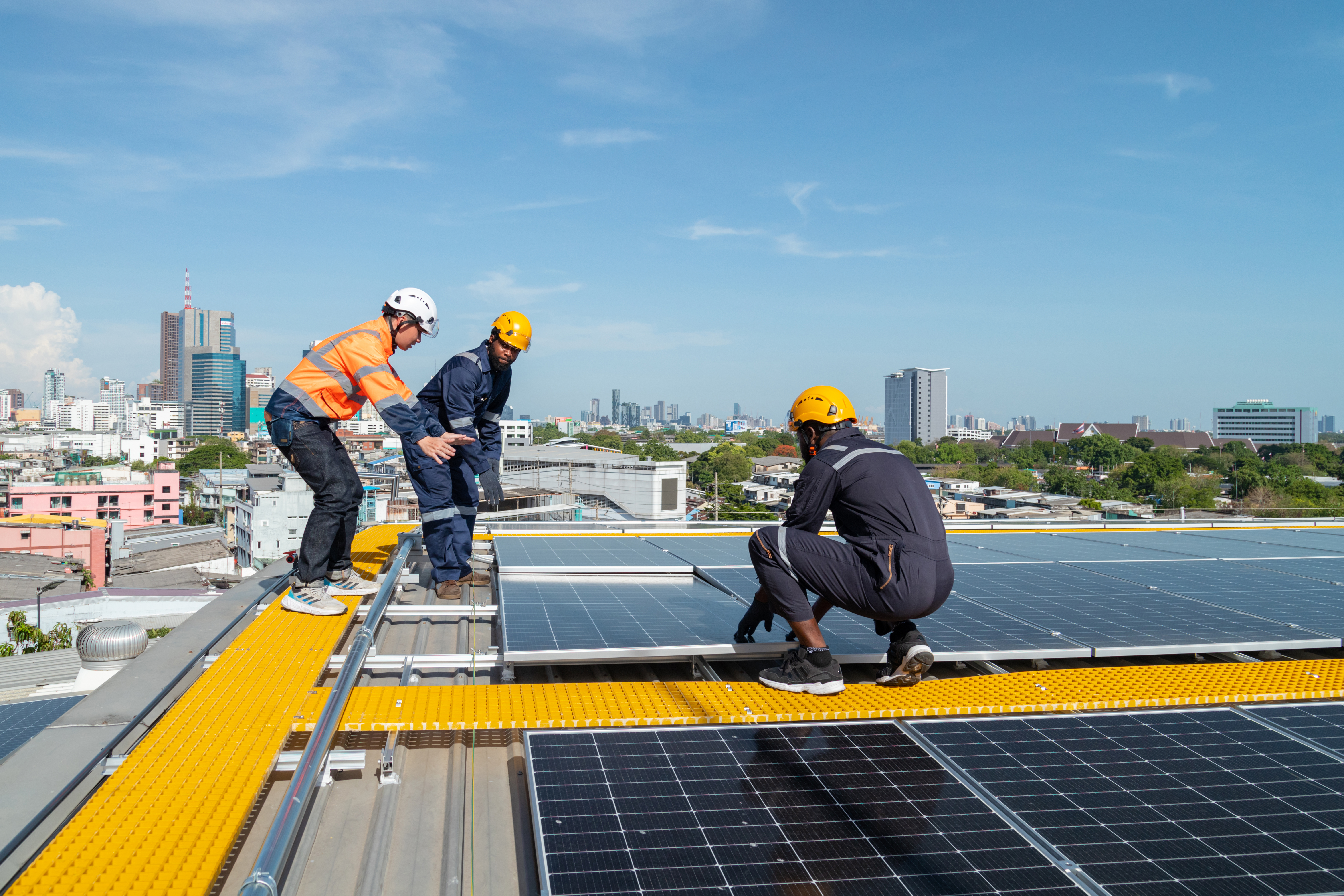
A hybrid system is connected to the grid and can include a battery. You generate energy by day, use it on site, and surplus can be stored — when a battery is part of the project.
The difference from a purely grid-tied installation is control of your own generation outside sunny hours. We use Deye inverters and batteries when that is appropriate.
A hybrid system combines panels, an inverter and, when needed, a battery. Part of the generated energy can be used immediately and the surplus stored. We use Deye inverters and batteries when that is appropriate for the site.
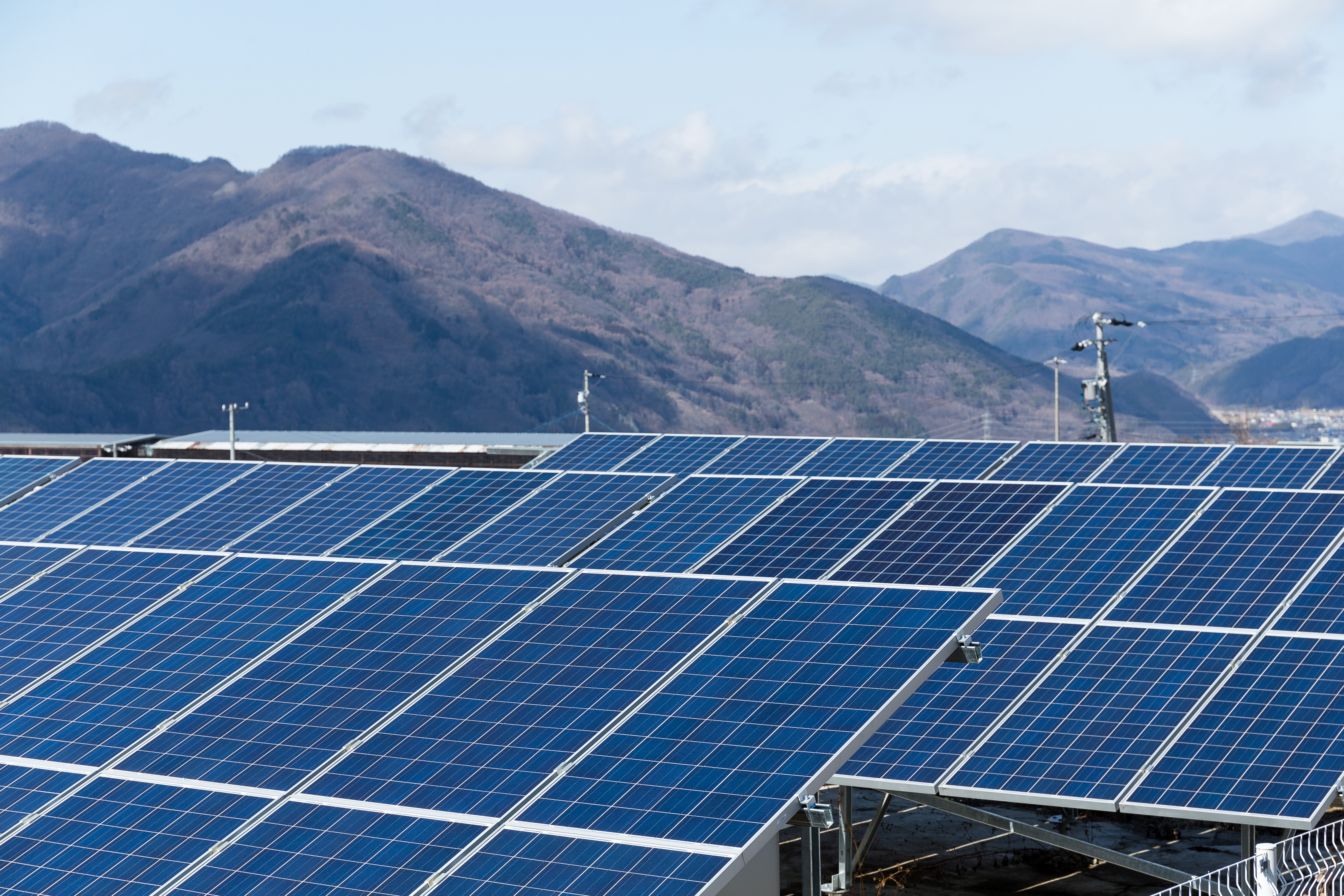
Exact scope is confirmed after a site visit. Price is on request.
The composition depends on whether the battery is now or at a later stage:
We do not promise a ready kit before a site visit. Capacity, mounting location and storage size are confirmed for that property.
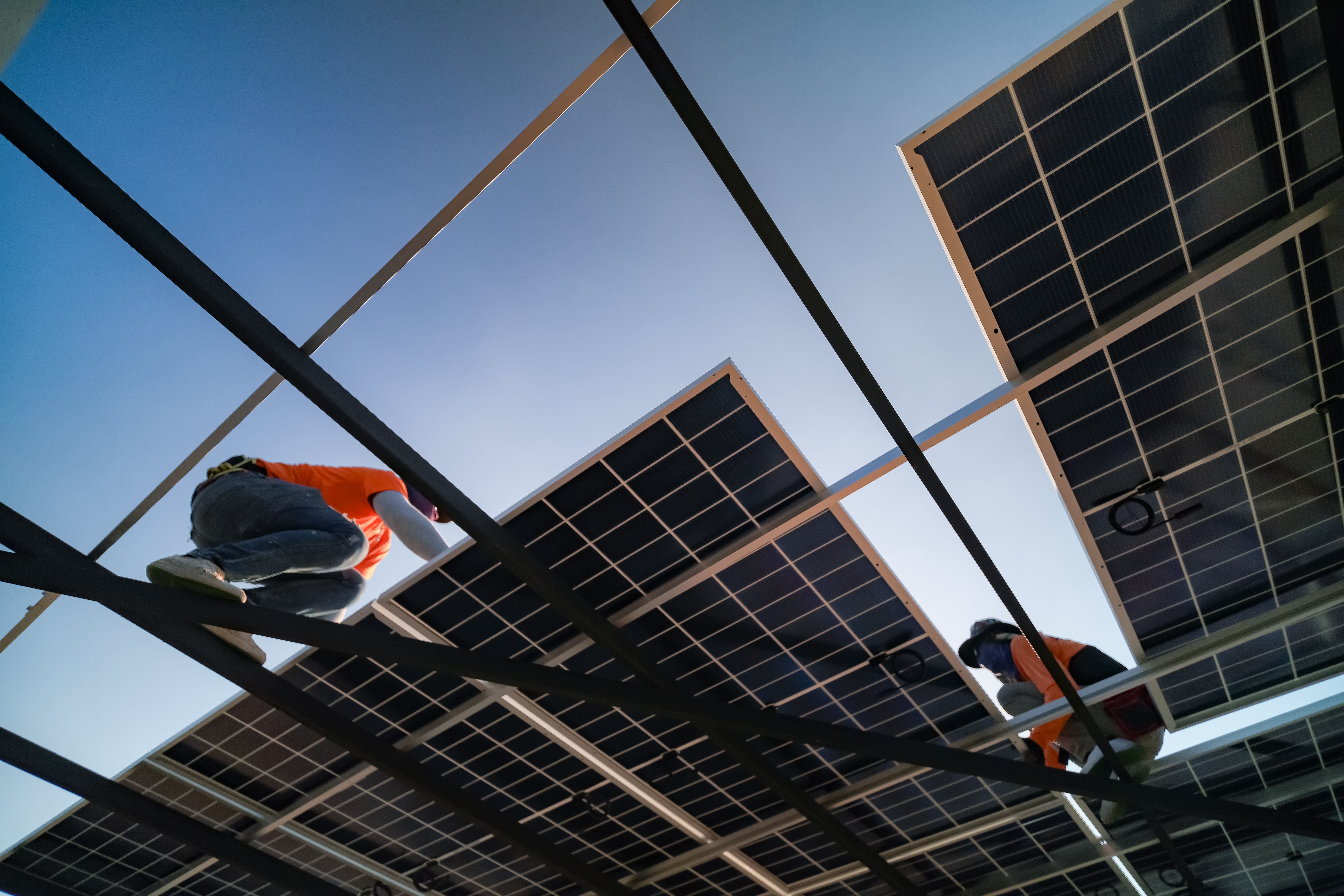
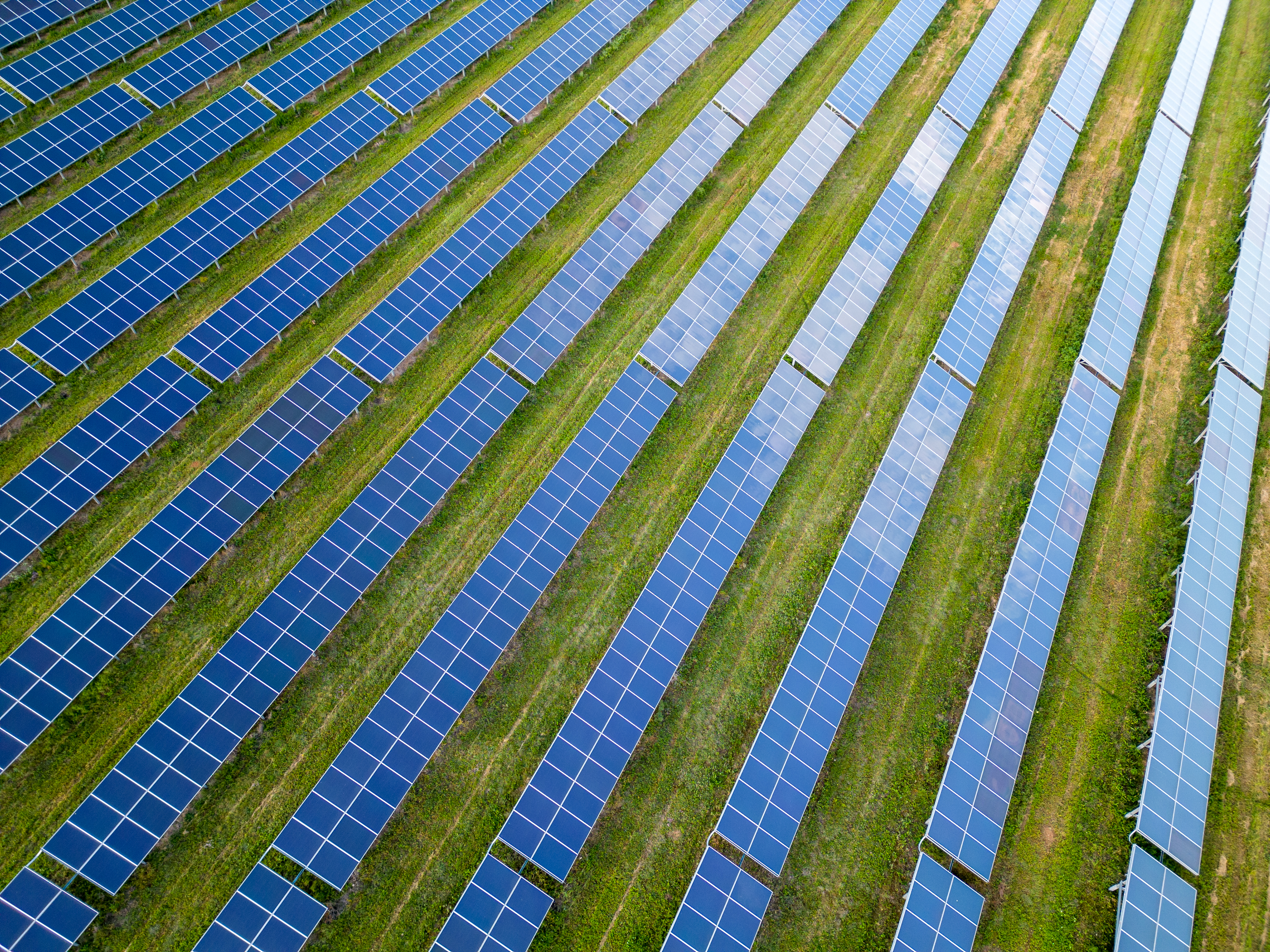
A hybrid inverter lets the system work with the grid and accept a battery when it makes sense. Storage does not have to be installed on day one.
We discuss it for evening use, uneven load or when you want more of your own energy. Capacity is chosen after a site visit.
Work process
A site visit covering the property, consumption and your goals.
A configuration matched to the roof, the load and the budget of the solution.
We prepare the panels, inverter and remaining equipment.
Installation and preparing the system for normal operation.
There is no universally better mounting — it depends on the site. A roof is the natural choice when orientation and free area are suitable. Ground-mount is discussed when the roof is shaded, complex or too small for the required capacity.
Panel count follows consumption, available area and whether a battery is planned now or later. The hybrid configuration is confirmed after a site visit.
Questions
A hybrid system is also connected to the grid, but it can include a battery. Part of the energy is used immediately and surplus can be stored when a battery suits the site.
No. We use Deye inverters and batteries when it makes sense. A battery can be planned now or later — confirmed during design.
A hybrid configuration with a battery is discussed when there is consumption outside sunny hours or when you want more control of the energy you produce.
It depends on capacity, whether there is a battery and the specifics of the site. The quote follows an enquiry and a site visit.
Send an enquiry. Configuration and price are confirmed after a site visit.
Other services