01
Consultation
A site visit covering the property, consumption and your goals.
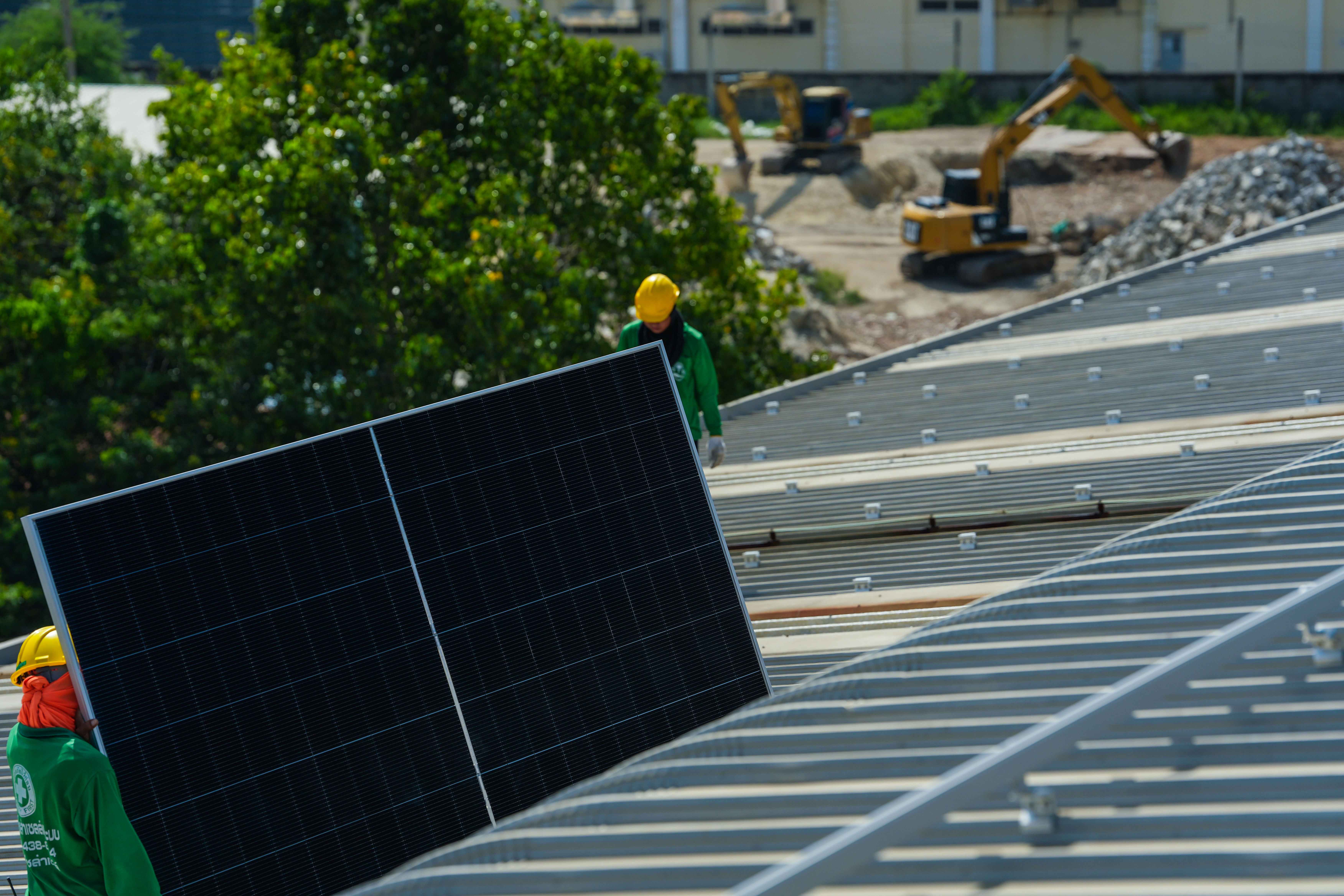
A grid-tied photovoltaic system is connected to the distribution grid. The panels generate energy by day; when generation is short — in the evening or in cloudy weather — the site uses grid power.
A battery is not required. This is the most direct option when you already have a supply and want your own generation without separate storage at this stage.
A grid-tied system suits a site that already has a supply and wants its own generation without a required battery. By day you use energy from the panels; when output is short, power comes from the grid.
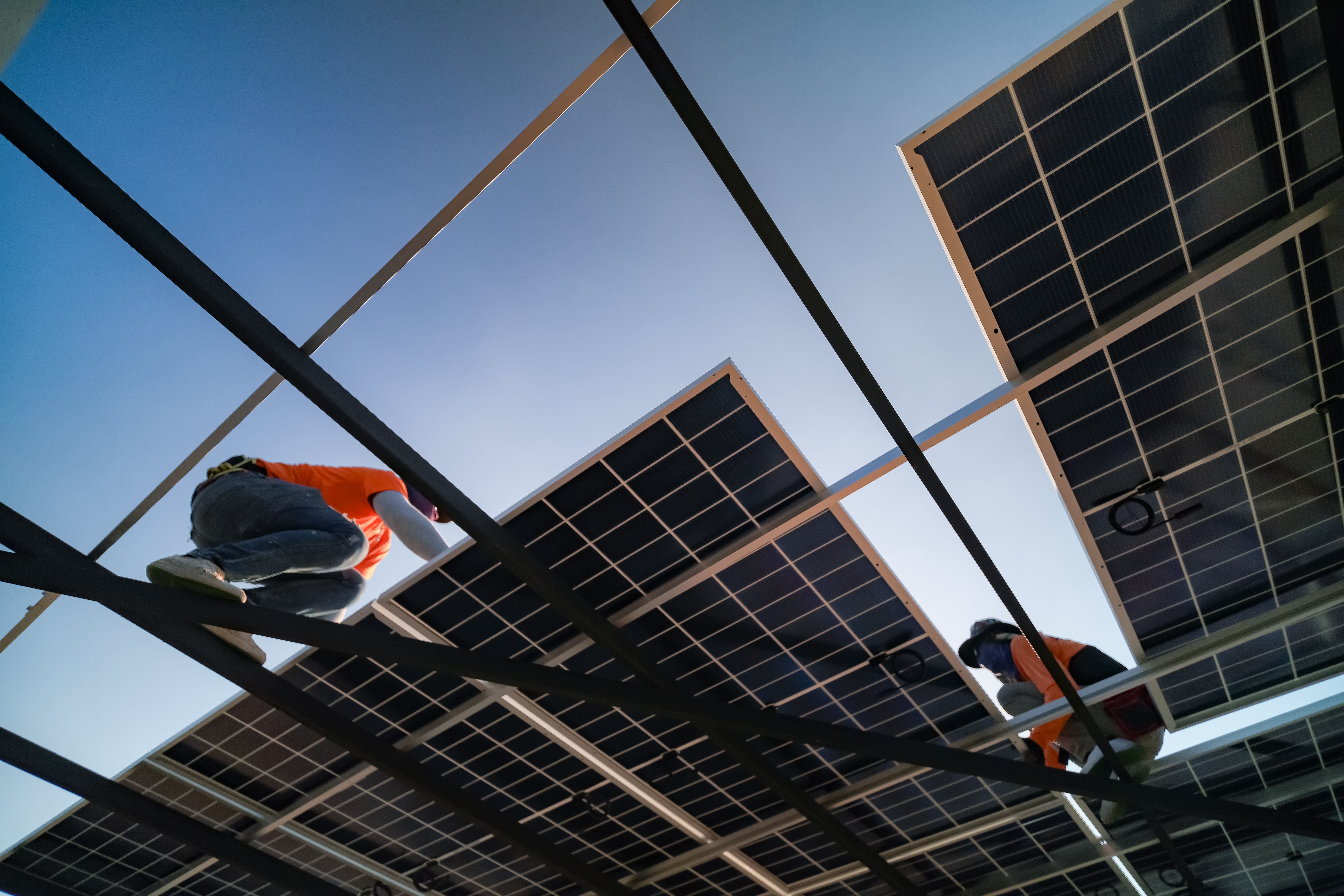
Exact scope is confirmed after a site visit. Price is on request.
The exact kit is confirmed after a site visit. The project usually includes:
A battery is added only when it makes sense — then we talk about a hybrid configuration or a separate storage system.
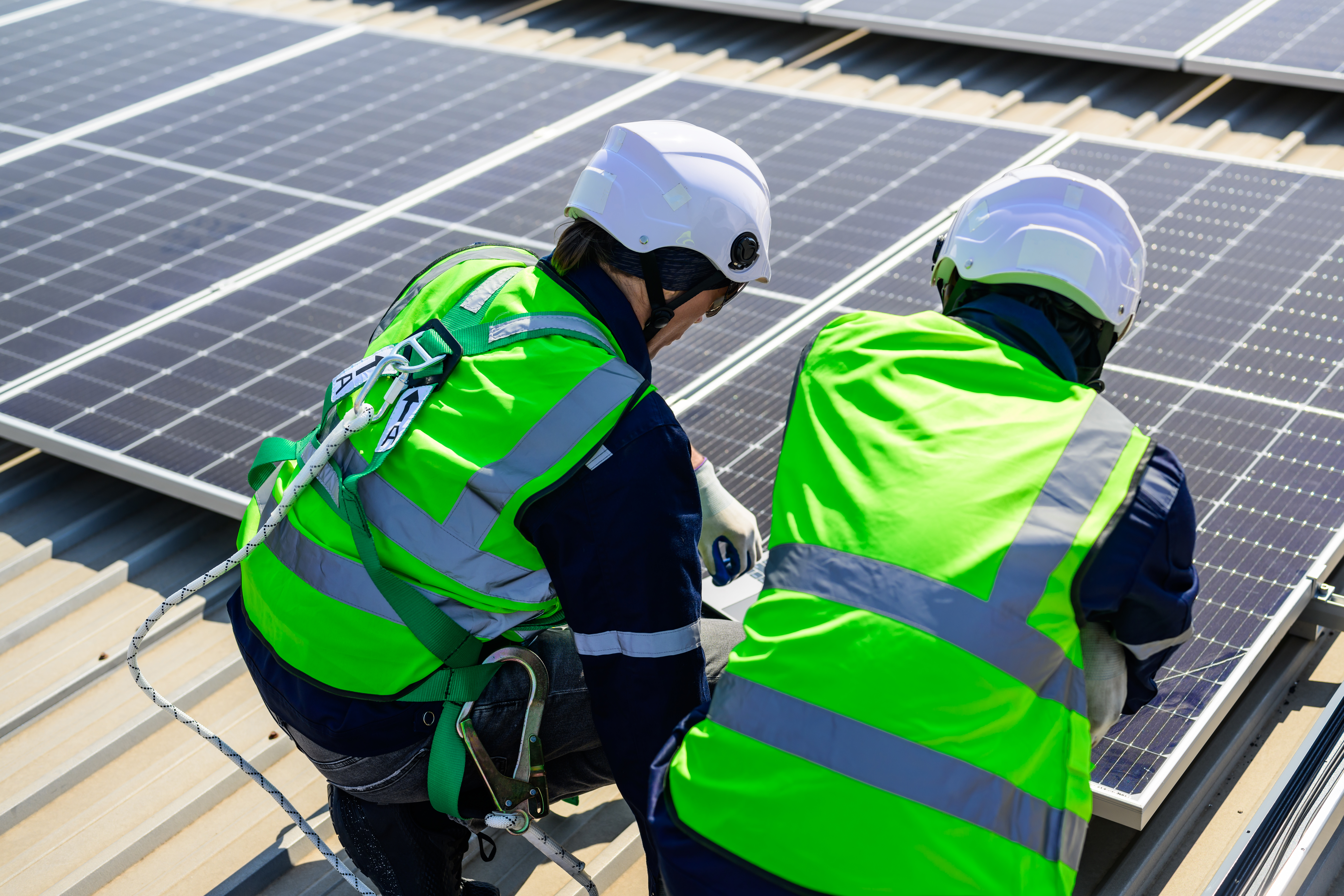
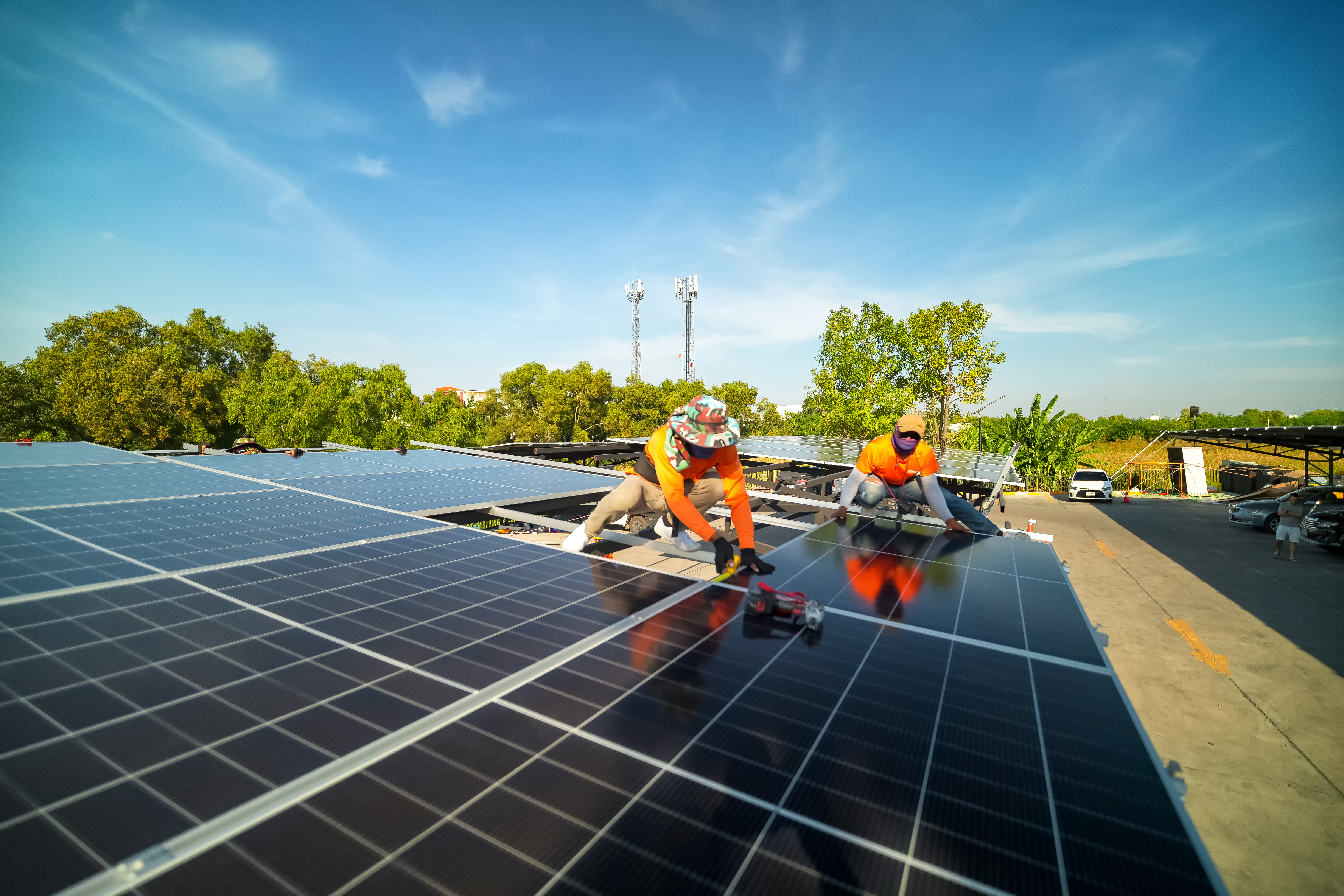
Yes — if a battery is added to the system. The grid-tied installation itself works without one: by day you use the generation, when it is short — the grid.
Storage makes sense when you use power outside sunny hours or want more of your own energy. We use Deye battery systems when they suit the site.
Work process
A site visit covering the property, consumption and your goals.
A configuration matched to the roof, the load and the budget of the solution.
We prepare the panels, inverter and remaining equipment.
Installation and preparing the system for normal operation.
There is no universally better mounting — it depends on the site. A roof is the natural choice when orientation and free area are suitable. Ground-mount is discussed when the roof is shaded, complex or too small for the required capacity.
Panel count follows consumption, available area, solar orientation and shading — not a catalogue template. We size the system after a site visit.
Questions
No. A grid-tied system works without a battery. By day you use energy from the panels; when output is short, power comes from the grid.
Yes, there is generation in cloudy weather, though less. At night or when output is short you use grid power.
According to consumption, the roof and the site’s goals. The configuration is confirmed after a site visit — there is no single solution for every property.
The price depends on capacity, the roof and the equipment. We quote after an enquiry and a site visit — no ready-made prices on the site.
Send an enquiry. Configuration and price are confirmed after a site visit.
Other services